
A golfer’s game is not only about swing practice, strength, and drills. Food also matters, and it matters most during long events when tournaments run for days. If you eat the right meals, drink enough water, and rest your body after play, you are more likely to keep your energy steady. You can also stay focused and hit shots with the same rhythm from day to day.
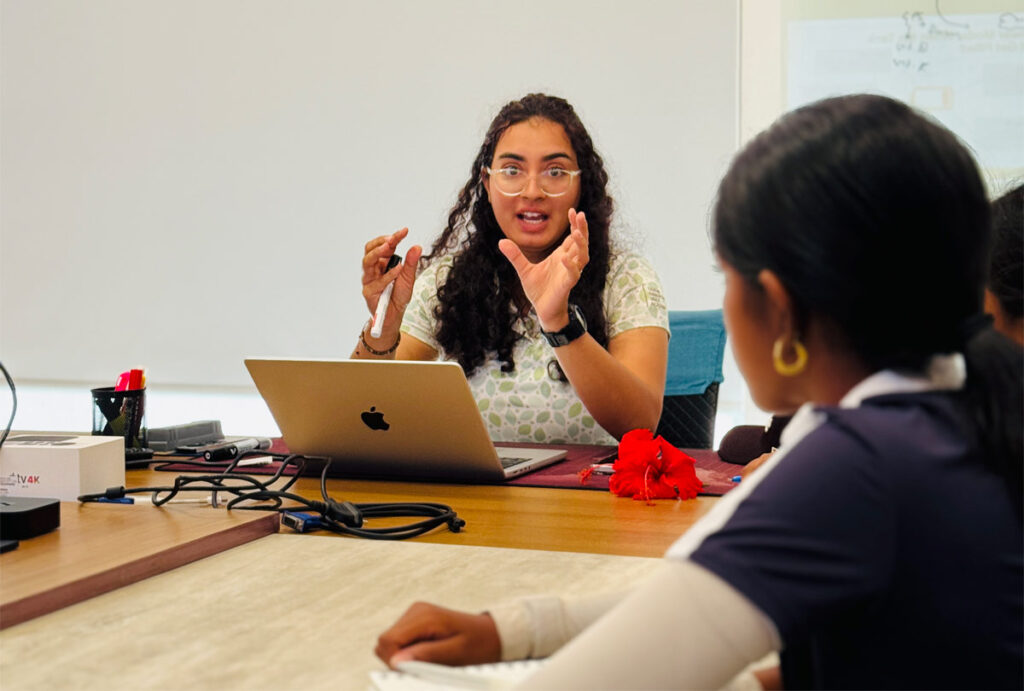
Speaking at a recent players’ meet at TSG Academy, Vedashree Bhat, a Sports Nutritionist at TSG Academy, discussed tournament nutrition for golfers, from pre-competition preparation to refuelling after each round.
The session had three main objectives: recovery, performance support and maintaining body weight during the tournament season. Here’s a catch up of what was being discussed. Let’s get going!
- Know the 3 Objectives of Tournament Nutrition: Tournament nutrition is more than just deciding what to eat before a round. It’s about preparing the body for competition, managing energy during play, and recovering well afterwards.
- First, recovery: Months are spent by golfers building their strength and endurance through gym sessions, prehabilitation, and on-course practice. Good nutrition helps the body recover from this workload and prepares the players for the next rounds. This can be especially crucial when tournaments are held on consecutive days or weeks.
- The second is your performance: When you take in enough nutrients, keep yourself hydrated and have the right energy, you can keep your attention, choose better moves, and stay steady during games. If players skip proper food, they often get tired or lose focus, and that can hurt how they play.
- The third aim is to maintain your body weight: During the tournament season, some golfers lose noticeable weight, and their energy output increases as their food intake becomes irregular. Weight monitoring can help to see if players are eating enough to meet their changing needs. Hydration also influences body weight so it’s important to look at longer-term trends rather than individual readings.
- Have a Good Breakfast to Start Your Day: Breakfast is a big part of pre-round prep, especially for golfers with early tee times. But some players will have a couple of bananas or eggs and head to the course. These foods can help, but may not provide enough energy for a full round.Therefore, you must start your day with a balanced breakfast of carbohydrates and protein to fuel activity, maintain muscle and manage hunger. You could have eggs with toast, oats with a protein source, dosa with an omelette, or a paratha with eggs. The exact mix varies depending on individual preferences and food availability.
Ideally, wait about an hour after a small meal before teeing off, while a larger meal may require 1.5 hours to 2 hours, depending on the meal size and the golfer’s comfort with digestion.
If you find it hard to eat in the morning, Vedashree advised the young players to build the habit gradually. It may be easier to start small and work your way up, rather than trying to eat a big breakfast right away.
Another useful strategy suggested by Vedashree is to plan the morning backward from the tee-off time. Players can prevent skipping breakfast and relying on their next meal hours later by waking up earlier and allowing themselves time to eat.
- Match Nutrition to Your Tee-Off Time: Early and late tee-off times present different challenges, so meal planning is a must. Players who start early may struggle with their appetite or find it hard to eat a large meal right after getting up. In these situations, simple, familiar foods that are easy to eat, such as a smoothie, a protein shake with bread, or a banana with another suitable food, can help. Late starts allow players more time for breakfast and another meal before they play. This is a great opportunity for golfers to eat well rather than sleep longer and rely on one big meal. But the later you finish, the harder it can be to fall back asleep. Players may be too tired to eat, or too alert to wind down for sleep. To avoid these problems, plan meals and snacks ahead of time so you’re prepared for the next day.
- Keep Fuelling During the Round: Golfers shouldn’t wait until they are exhausted or can’t concentrate to eat. Small, regular snacks can help keep energy levels up through the round. Practical approach is to carry foods from 3 categories:
- Carbohydrates: Bananas, dates, raisins, dried fruit and energy bars.
- Protein: Protein bars, egg sandwiches, chicken sandwiches or appropriate rolls.
- Healthy fats: nuts, seeds, peanut butter sandwiches, peanut chikki
These foods pack easily in a golf bag. Players can eat small portions every few holes, adjusting the frequency and amount to their individual needs. As Vedashree suggests, the aim is to make fuelling a regular habit, not an emergency measure when energy flags. Eating familiar foods that are easy to eat on the course also makes the routine easier to maintain.
- Hydration First: Hydration helps concentration, decision-making and physical performance. If a golfer waits until he is very thirsty, he may already be behind in fluid replacement.Players should stay well hydrated by drinking fluids regularly during the round and adjusting their intake based on weather, humidity, body size, and sweat loss. Electrolyte drinks can help in hot weather or when you are sweating a lot, but use them according to the product directions and your own needs. A simple preparation habit is to carry two bottles: one with plain water and one with an appropriate electrolyte drink. Players should take the opportunity to refill their bottles where facilities allow and not assume refreshment will be available at the next hole.
A key note to consider here is that the amount of fluid needed varies from golfer to golfer, so hydration should be tailored to the conditions and not a fixed target for every golfer.
- Recover Properly After Each Round: If you’re a golfer with a round the next day, post round nutrition is especially important. After the session ends, players should try to have a meal or a snack with carbs and protein within 30 to 60 minutes, if they can. Carbs help refill glycogen, which is the stored fuel the body uses. Protein helps muscles mend and recover after work.Good choices include rice and dal, a sandwich, a fruit smoothie, or another simple meal the player tolerates well. The key is to avoid going back to the hotel exhausted and missing dinner or eating too little.
If a full meal isn’t possible right away, Vedashree suggested a smaller recovery snack can tide you over until dinner. This is especially useful for players with late tee-off times, as it gives them time to plan.
Recovery is also more than nutrition. Rehydration, good sleep, rest, and mental preparation all help you get ready for the next round. Players can benefit from having a consistent wind-down routine, whether it’s speaking with family, journalling, or reviewing the day with a coach, to help them reset after a difficult performance.
- Stay within body weight during the season: Tournament schedules can also substantially increase energy needs. Walking long distances over a course, playing in bad weather, and competing over several days may increase a golfer’s energy needs. If food intake does not meet the demands, body weight may decrease, which in turn may affect recovery and performance. However, short-term weight fluctuations may result from water loss, so weight loss must be consistent. Vedashree advised all the players to check their weight in the morning, after using the toilet and before eating, about once a week or every two weeks. If they see a downward trend, they should consider whether they’re skipping meals, not eating on course, or not eating after rounds.
- Bring a Tournament Nutrition Kit: Travel adds uncertainty to healthy eating. Familiar foods at hotel breakfasts, clubhouse menus and access may vary from one destination to another. And so, a nutrition kit must always be on the go for every player. Depending on the person’s needs, it can include granola, oats, peanut butter, protein powder, trail mix, roasted chickpeas, energy bars and other convenient snacks. Vedashree also advised that players can usually buy fresh fruit, like apples and oranges, after arrival.Players should also bring any equipment they need, such as a shaker bottle, electrolyte supplies and a water bottle. A week or more before departure, make a checklist to avoid last-minute scrambling and reduce reliance on whatever food happens to be available.
Conclusion
As the session moved towards the end, the message by Vedashree was clear enough to all the TSG Academy players that tournament nutrition isn’t about perfecting a diet for a single round; it’s about building reliable habits that sustain you through multiple days of play. Eating a good breakfast, fuelling up regularly during play, staying hydrated, recovering after each round and consuming enough energy can all help golfers stay consistent throughout the season.
We hope you enjoyed this informative read and wish that it helps every budding and professional golfer in their journey. Preparation should not be just about golf clubs and equipment, as Vedashree Bhat said during her session. Golfers can improve their chances of playing well, round after round, by planning meals and snacks ahead of time and prioritising recovery.
Happy golfing!